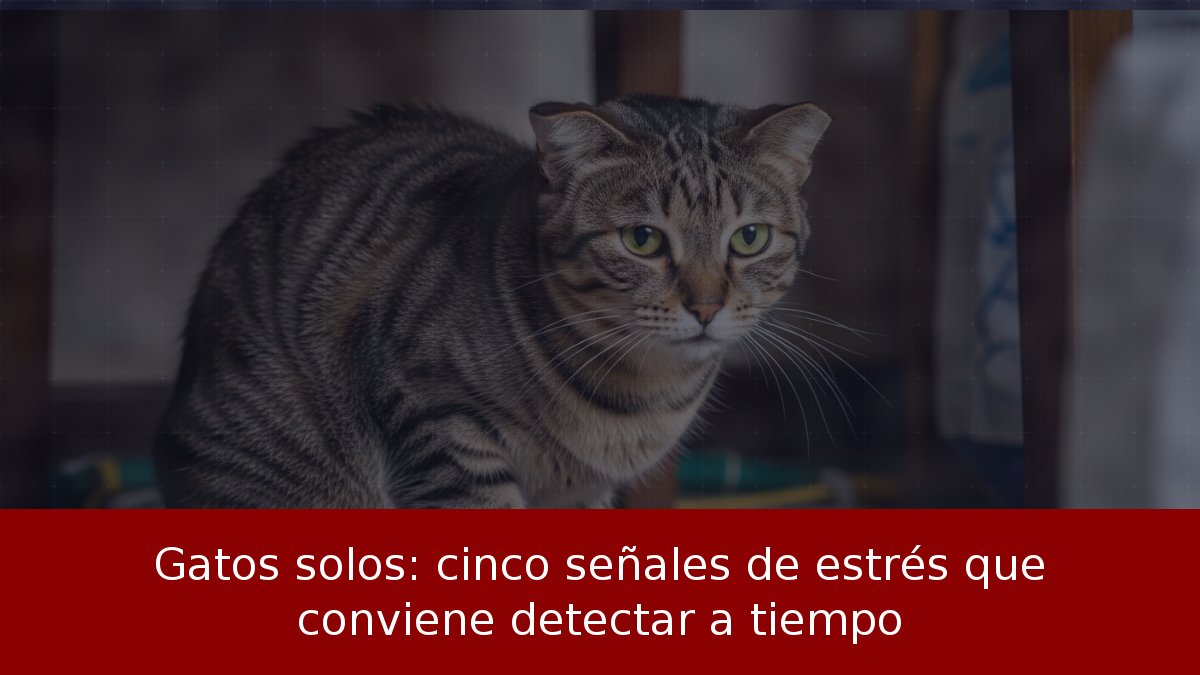
Although cats are known for their independence, they are not immune to routine changes or long hours alone. When left by themselves, some develop stress signals such as persistent meowing, altered litter box use, isolation, or repetitive behaviors. Spotting these signs early allows owners to adjust the home environment and seek veterinary guidance if the problem persists.
- Insistent meowing: vocalizing excessively when anticipating the owner's departure or greeting them may indicate agitation.
- Changes in eating and litter box use: eating less, drinking less, or avoiding the litter box are signs that warrant a veterinary check.
- Isolation and altered grooming: hiding more, avoiding contact, or over-grooming can reflect emotional tension.
- Repetitive behaviors: scratching furniture, knocking objects over, or running nonstop may signal frustration or lack of stimulation.
- Prevention: predictable schedules, play before leaving, and spaces with hiding spots help reduce discomfort.
Meowing and routine changes
A single meow at the door does not confirm a problem. The warning sign appears if the cat vocalizes insistently, seems agitated, or keeps up that behavior every time it anticipates its owner's departure. It may also greet you with unusual activity: running, jumping, demanding attention immediately, or seeming unable to calm down. It helps to identify whether the change occurs only on days when the cat stays alone for several hours.
Cats tend to hide discomfort, so behavioral changes can go unnoticed until they become frequent. Separation anxiety as such is uncommon in cats, but being without company, stimulation, or with an altered routine can cause stress, boredom, or frustration.
Eating, litter box, and physical signs
A stressed cat may eat less, drink less, or in some cases eat compulsively. It may also stop using the litter box, urinate outside it, or spray urine inside the home. These changes should not be attributed immediately to stress: urinary or digestive problems or pain can cause similar behaviors. If the change is sudden, or if the cat stops eating, a veterinary examination is needed.
It is normal for a cat to seek a quiet nap. It is not normal for it to hide more than before, avoid people, or react with growls, hisses, or swats when it previously tolerated contact. It may appear hypervigilant, startle easily, or remain motionless with a tense body. Ears back, dilated pupils, and an arched posture can also accompany stress.
Excessive grooming can produce areas with less hair, irritation, or skin lesions. Conversely, some cats stop grooming and develop a dull, matted, or unkempt coat. Both behaviors can be related to emotional tension, though they also have dermatological or medical causes. Daily observation helps detect whether the problem began after a routine change or prolonged periods alone.
Repetitive behaviors and prevention
Scratching furniture, knocking objects over, running nonstop, walking in circles, or seeming unable to rest may reflect frustration or lack of stimulation. The cat needs opportunities to play, climb, scratch, hide, and observe its surroundings. Before leaving, a play session can help, along with leaving safe toys, scratchers, hiding places, and interactive feeding options. If the behavior persists or increases, the veterinarian should rule out illness and, if necessary, recommend a feline behavior specialist.
To prevent anxiety when leaving home, keep predictable schedules for food, play, and rest; play with the cat before leaving so it releases energy; leave safe toys, scratchers, boxes, and high places where it can observe; use interactive feeders or kibble hiding spots to keep it busy; provide a quiet space with clean water, a clean litter box, and a comfortable bed; avoid long goodbyes or overly enthusiastic returns; gradually accustom it to short periods without company; consider synthetic cat pheromones with veterinary advice; do not adopt another cat as an automatic solution, as some felines prefer to live alone; and consult the veterinarian if it stops eating, urinates outside the litter box, injures itself while licking, or changes behavior suddenly.
Feline well-being depends largely on predictability and environmental stimulation. Paying close attention to behavioral changes and acting promptly can prevent discomfort from becoming chronic and affecting the animal's health.